

Overview
According to UN, over 250 million chilsren are currently out of school. It is very likely thesechildren belong to poor families. In Nepal, approximately 27% of children complete secondary school. Shockingly, the completion rate of children from poor families is as low as 10%, which indicates a remarkable disparity between rich and poor.
Journey of Hope-Nepal aims to Journey of Hope-Nepal working alongside with schools, communities and education system, will provide support to promote an inclusive education system where all students disregard to their socio economic background will thrive and their families and communities will have a. positive impact..
Journey of Hope-Nepal is committed to advancing policies and practices to reduce barriers and support children for their educational achievements through following program activities:
Where we work
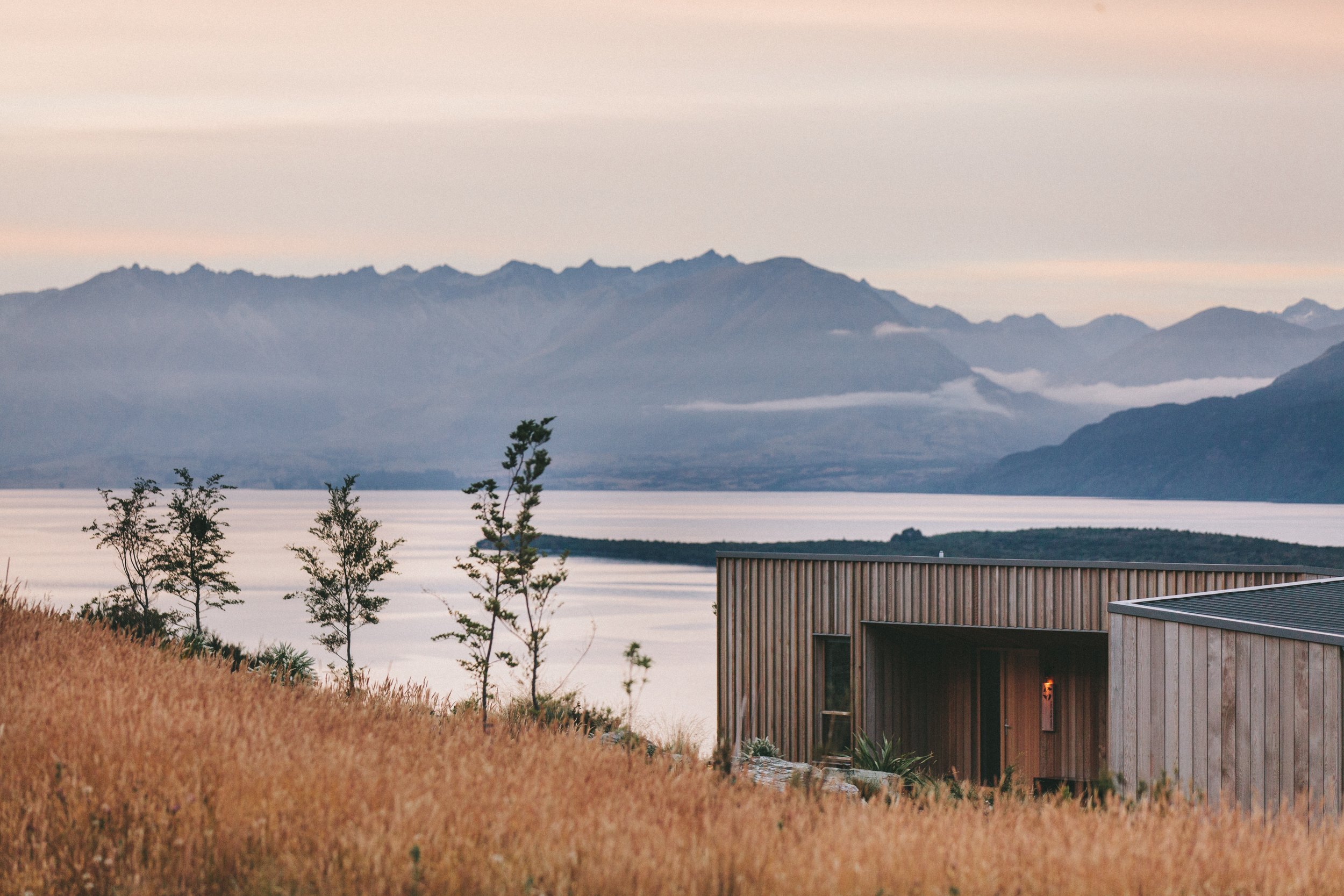
Journey of Hope-Nepal will exclusively support the education program in Nepal. Based on a thorough needs analysis, our program areas will be selected. Journey of Hope-Nepal aims to reach all needy communities to have a deeper impact. A dialogue will be initiated with local communities, educational institutions, individuals, and local non-profit organizations.
Journey of Hope-Nepal has professional local NGO partners with an extensive network throughout the country. Initially, only a few districts will be selected for the program, and
expansion to other districts will continue depending on resource availability.

What We Do
One of the core beliefs of Journey of Hope-Nepal is that education is a powerful change agent. To change our world, we have to change a child through education. Equitable access to quality education is essential to unlock the potential of children for their academic achievement and professional success. As a part of its strategy, Journey of Hope-Nepal has deliberately focused on limited program activities that are impactful and help to transform the lives of young children, their families, the community, and the nation. They are as follows:
-
The scholarship will be awarded to most needy and deserving students, from high school through higher education, to support their pursuit of education. This scholarship may cover tuition fees as well as subsistence costs, easing their families’ financial burdens and enabling them to focus on their studies. Where possible, Journey of Hope-Nepal will continue to provide scholarship support to children from high school to college level, to ensure that the scholarship support has an impact. As a result, Journey of Hope-Nepal program will work with the same group of students several years from high school until they complete their colleges. Journey of Hope-Nepal will follow the best practices to administer the scholarship, which includes:
a. Clear and transparent guidelines
b. Efficient application and transparent selection process
c. Fair and impartial evaluation
d. Timely communication
e. Stewardship and reportThe scholarship program will be grouped into categories to meet the varied needs of the individual students and their level of education. Journey of Hope-Nepal scholarships will give disadvantaged students the opportunity to have the life-changing experience to shape up their lives, families and communities.
-
In addition, Journey of Hope-Nepal supports vocational training programs that equip youths with practical skills for employability.
These programs help youths achieve their full potential, empowering them to lead fulfilling lives.
The vocational training areas are carefully selected to meet the demands of the modern age, including IT-related trainings, ensuring that participants gain relevant and up-to-date skills to thrive in today’s competitive job market.
-
In limited scale, Journey of Hope-Nepal will support the construction and renovation of schoolbuilding and facilites, which includes school building, water supply, provision of furniture andteaching & learning supplies, gender segregated toilets, libraries, teachers training, etc.
The communities to be selected for school facilites will have to meet strict creteria.
-
We will undertake studies on educational disparities and access barriers to identify specific challenges faced by the people.
This research will include policy analysis to highlight gaps and areas for improvement in existing educational frameworks.
The findings of our research and observations will be instrumental to influence policymakers for necessary legislative changes.
Planned Program Activities for next five years (2026 – 2030):
• Scholarship to 150 students (both high school and college level)
• Build at least 2 school buildings in rural areas
• Technical training to 100 youths